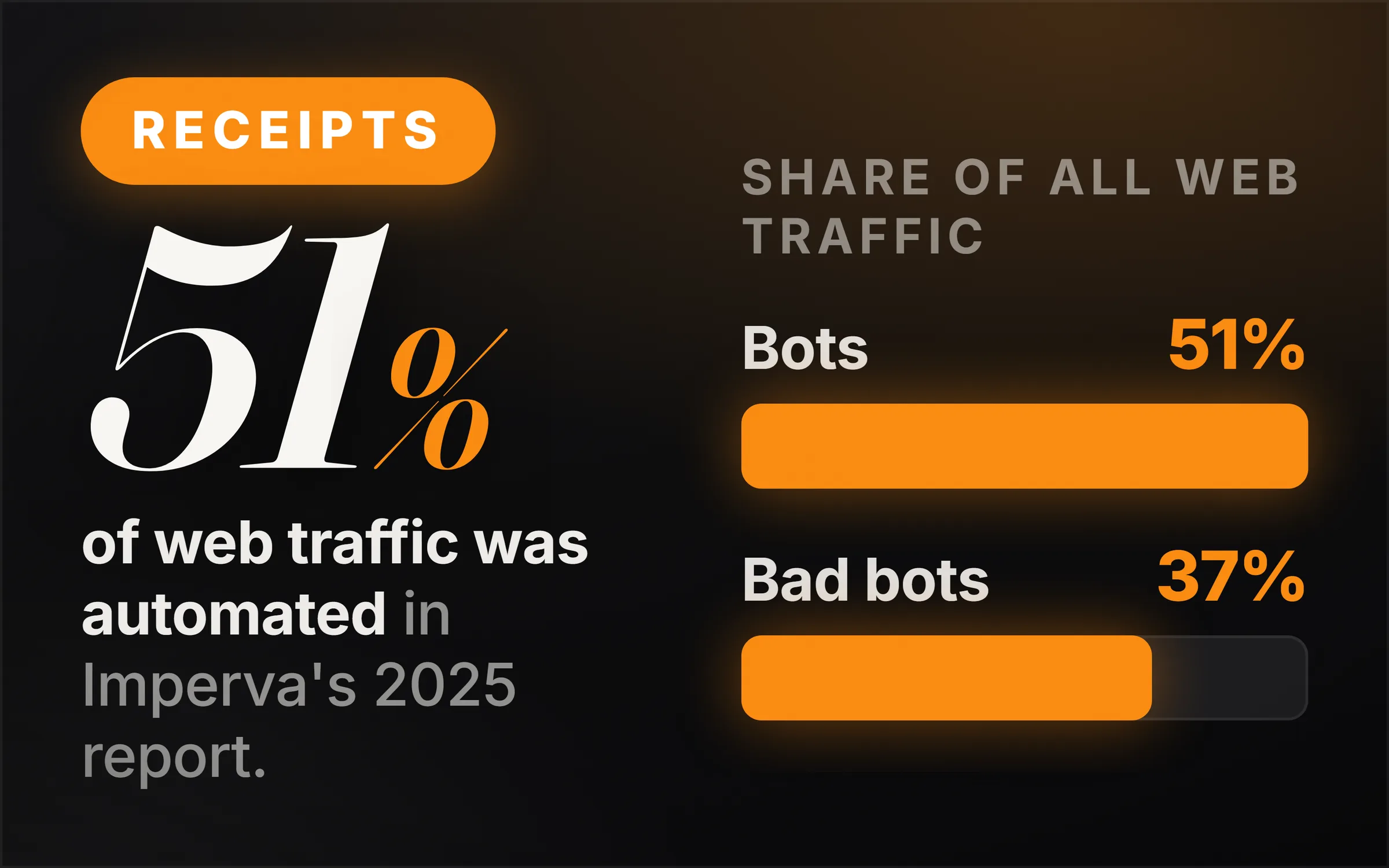
The dead internet theory is half right on the number and wrong on what the number means. Imperva's 2025 Bad Bot Report says automated traffic reached 51% of all web traffic, and that bad bots alone were 37%. But web traffic counts requests to servers, not people and not posts. A majority of requests being automated does not mean a majority of the people you meet online are bots.
That distinction is where the theory goes wrong, and it is also where the real story is. Machines really do make most of the requests, and some of what they do is aimed straight at people: spam pages built to farm attention, and fake engagement built to earn money. The film above checks each claim against the documents. This page sets out what the numbers do and do not show.
Is the dead internet theory true?
Partly. Bots made 51% of all web traffic in Imperva's 2025 Bad Bot Report, so machines do outnumber people in raw requests. But the theory's stronger claim, that most of the people and posts online are fake, is not what that number measures, and no dataset we found shows it.
The theory, in its common form, says the internet is now mostly bots talking to bots, with real people a shrinking minority. The first half has a real number behind it. The second half is an inference from that number, and it is the inference that does not hold.
What the evidence does support is narrower and more practical. Automated systems dominate the traffic, and a measurable part of the content people see is produced or pushed by automation to make money. The film goes through each of the theory's core claims in turn.
What share of internet traffic is bots?
51%, in Imperva's 2025 Bad Bot Report: "For the first time in a decade, automated traffic has surpassed human activity, accounting for 51% of all web traffic." The same report puts bad bots, its term for malicious automation, at 37% of all traffic.
The report's own words on the second figure: "Automated threats are rising at an unprecedented rate, with bad bots now making up 37% of all internet traffic."
The 2026 edition, now published as the Thales Bad Bot Report, repeats the direction without a percentage on its public page. It describes "bots now accounting for the majority of global web traffic", and says it is "Based on analysis of full-year 2025 bot activity". The film's description gives 53% for 2025; on the public pages we could read, the 2026 figure appears only as "the majority", so we could not confirm the exact number.
Does bot traffic mean most people online are bots?
No. A traffic share counts requests, and a single automated system can make far more requests than any person. A search engine crawler, a price-scraping script or a login-attack bot each generates traffic without ever being a "person online", so 51% of requests says nothing direct about the share of accounts or users.
Much of that automation never shows up as a post anyone reads. It is indexing pages, checking prices, testing stolen passwords, or pulling content to train and feed AI systems. It is real, it costs site owners money, and it is invisible to most people using the web.
That is why the traffic number, quoted alone, overstates the theory. The honest question is not "what share of traffic is automated" but "what share of what people actually see was made or boosted by machines", and there is no single measured answer to that across the whole internet.
Is AI-generated spam actually reaching people?
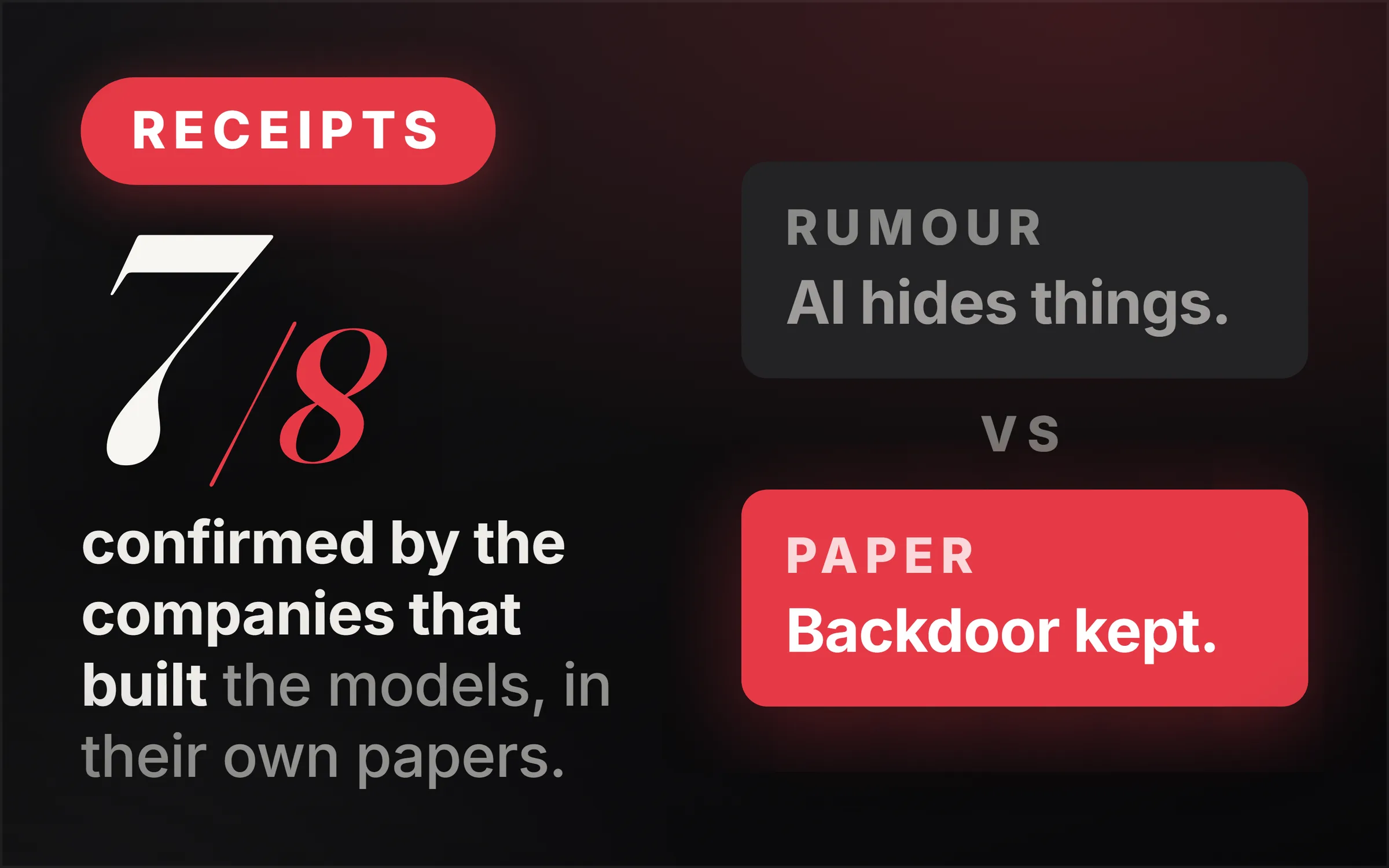
Yes, and it is documented. Stanford researchers Renée DiResta and Josh A. Goldstein found that "spammers and scammers - seemingly motivated by profit or clout, not ideology - are already using AI-generated images to gain significant traction on Facebook." Their paper is the source of the "Shrimp Jesus" images in the film.
The finding that matters most is how those images reached people. The paper says: "At times, the Facebook Feed is recommending unlabeled AI-generated images to users who neither follow the Pages posting the images nor realize that the images are AI-generated."
That is the real version of the dead internet worry. The problem is not that the people are fake. It is that machine-made content, built for engagement and money, is being put in front of real people who do not know what it is.
Why do people make bot traffic and AI spam?
Money, mostly. The Stanford paper describes the Facebook spammers as motivated "by profit or clout, not ideology". Attention can be sold, followers can be monetised, and automation makes both cheap to produce at scale.
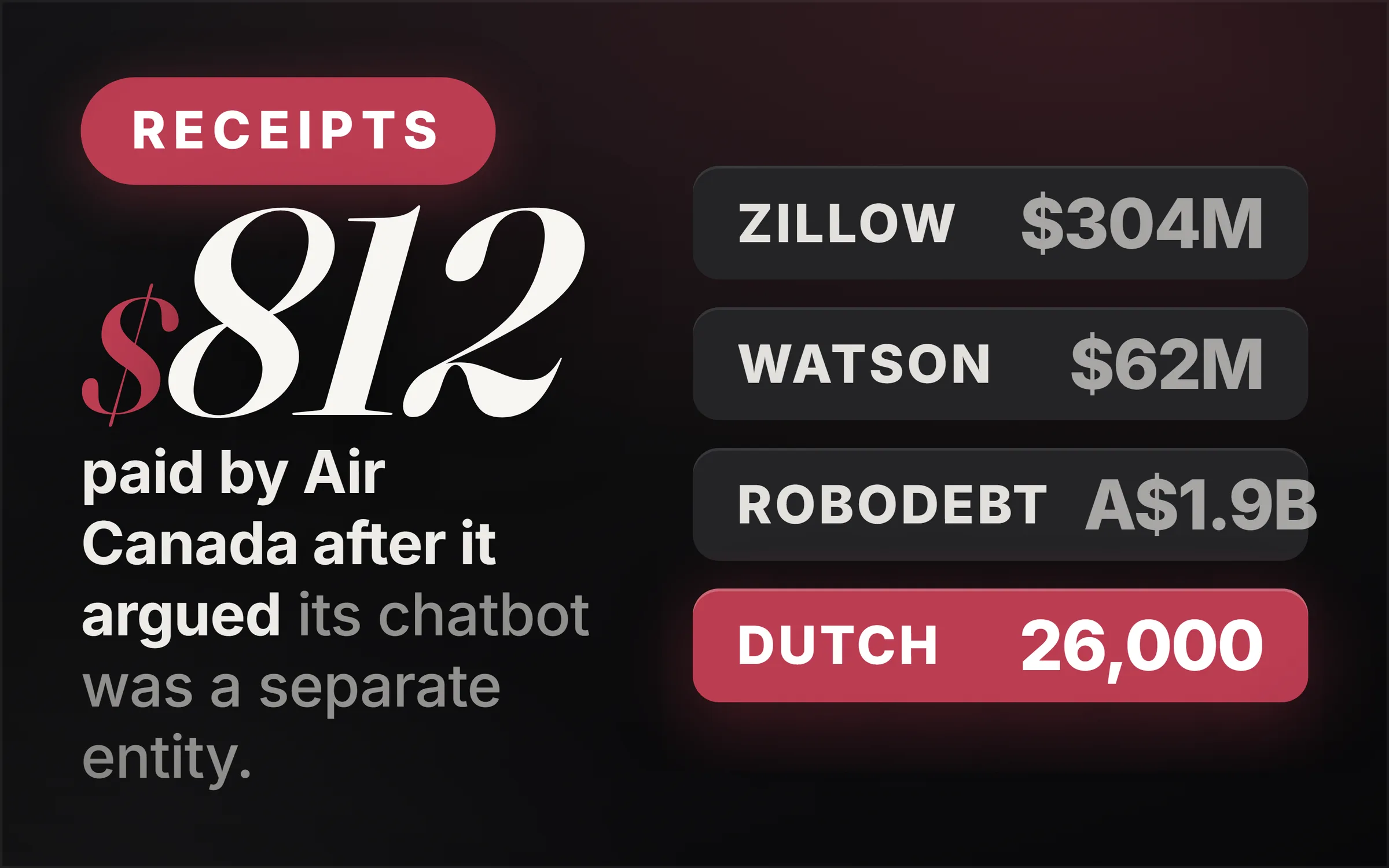
The same economics runs through the other cases in the film, including fraud cases where automated streams or fake engagement were used to collect payments meant for real listeners and real audiences. We have not restated the court figures here because the Department of Justice pages could not be retrieved for verification when this was written; the film shows the documents on screen.
The practical lesson is that automation follows payment. Wherever a platform pays for views, streams or clicks, someone will try to produce them with machines, which is why the platforms' own verification and payment rules matter more than any theory.
What does the dead internet mean for businesses and creators?
Verified, human, specific work becomes more valuable. When cheap machine content floods a channel, readers and platforms both start rewarding what is clearly real: a named author, first-hand experience, and claims that can be checked, which is the argument in the content AI cannot copy.
For a business, the shift also changes who is reading. A growing share of the web is read by machines, including the AI assistants people now ask for recommendations. Being named in those answers is becoming its own form of visibility.
For anyone deciding what to believe online, the working rule is the one the film uses: check the source document, not the screenshot of it. It is the same rule behind AI conspiracies that turned out to be true and AI gone wrong, with the documents.
The honest hard part
The hard part is that the most important number does not exist. Nobody publishes a measured share of all the posts, comments and accounts people actually see that are automated. Every confident claim about "most of the internet" is filling that gap with a guess.
The second hard part is that the traffic figures come from a company that sells bot protection. That does not make them wrong, but it is a reason to read the definitions before repeating the headline.
The third is that the problem moves. The 2025 report describes automated threats as "rising at an unprecedented rate", and AI tools keep making machine content cheaper. What is true about the web this year is a starting point, not a settled answer.